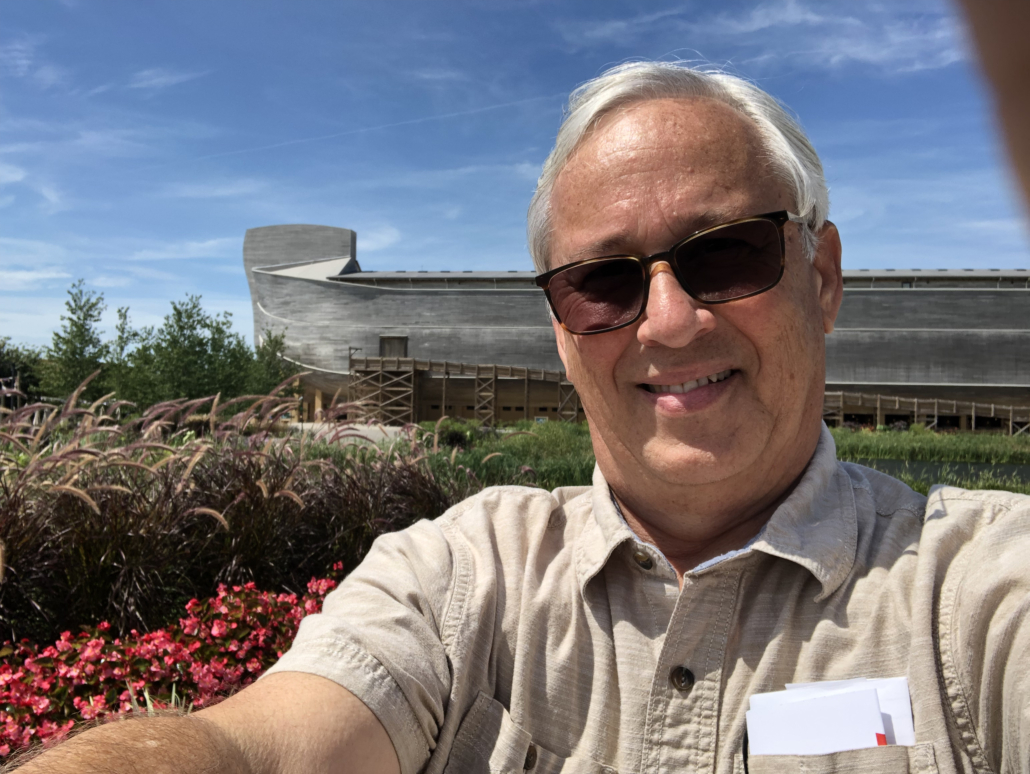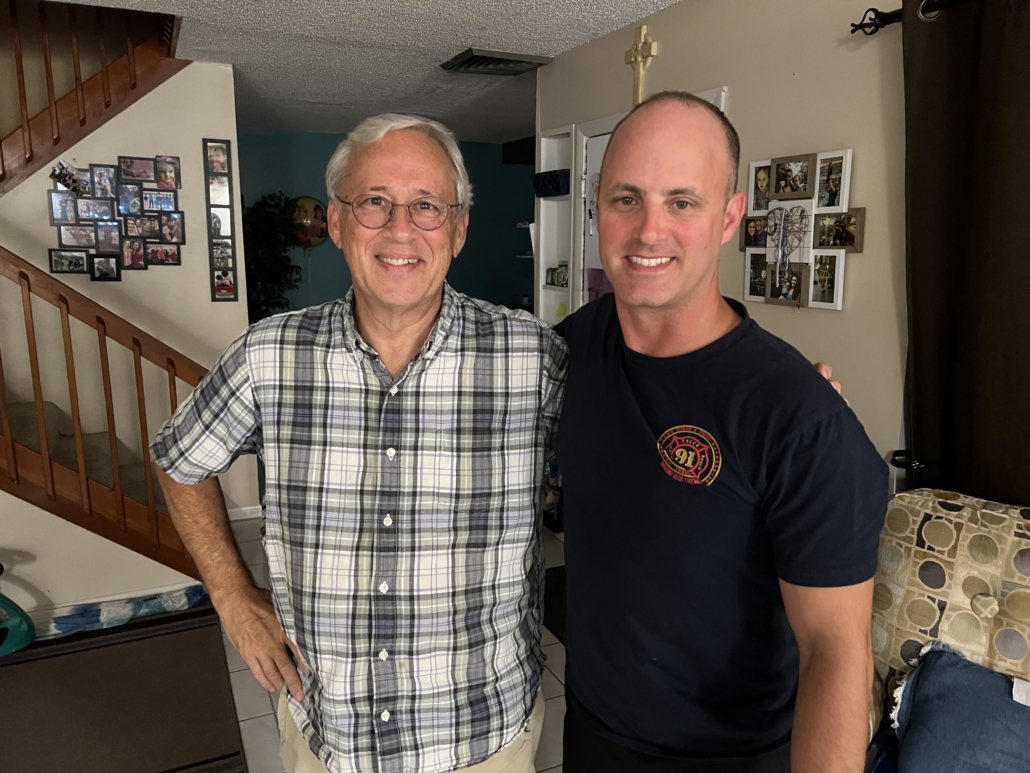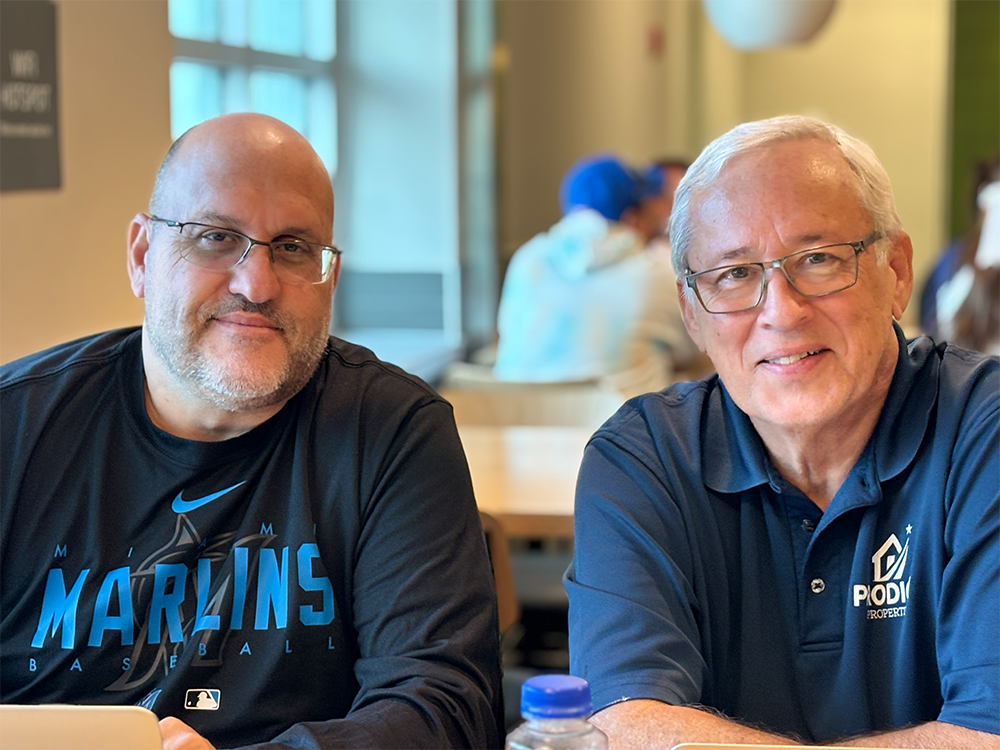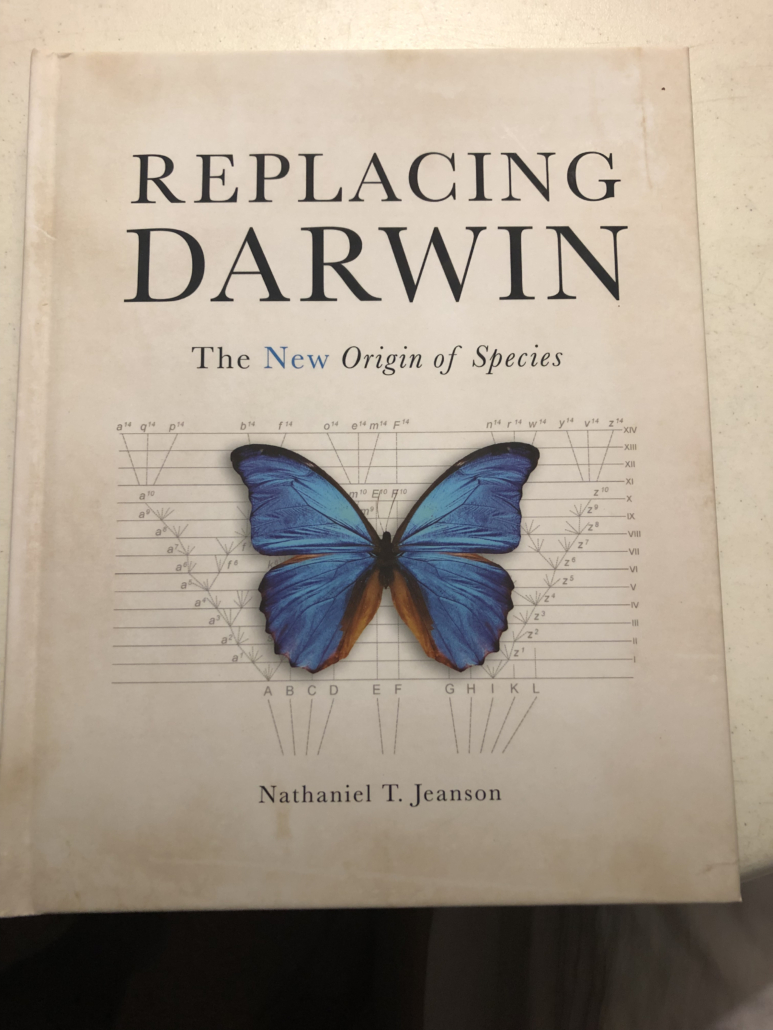
Meet David Ewald
Whiter Than Snow: A Journey Toward Discipleship
When I was ten years old at a summer camp in Northern Michigan, we sang a simple song called “Whiter Than Snow.”
God used the words of that song to bring understanding of salvation to my heart.
The final line still echoes in my mind:
“But in Christ I forgiveness know.”
At seventeen, I attended Moody Bible Institute in Chicago. Moody was founded for the regular Christian—not only professional pastors or missionaries. There I grew in my knowledge of God’s Word, and one conviction became fixed in my mind:
God’s truth is for all believers.
But in the decades following World War II, American culture was rapidly adopting a new religion—secularism: the belief that we can live our lives without God.
At first, it looked successful.
We had fast cars.
Television fed us a constant stream of things—more things, and still more things.
Then Dr. Francis Schaeffer came along and introduced a word few people had ever heard before: worldview. He explained that Western culture had embraced two impoverished values:
- Personal Peace
- Affluence
He was right.
We followed “Science” off a cliff—treating it as a savior rather than a servant. Pills and surgeries were offered as solutions to abortion, euthanasia, gender confusion, sexual perversion, and every form of moral collapse. The problems were spiritual, but the answers were mechanical.
I served as a youth pastor in a safe suburb, raising four children in a Christian home and Christian schools—trying to protect them from the world, the flesh, and the devil (Ephesians 2). But when technology unleashed a flood of images into every home, we lost ground.
We no longer had time for books or serious study.
Churches competed to produce better and better experiences.
Meanwhile, some believers quietly moved into crisis-center ministry.
I was one of them.
I moved downtown and directed a crisis center for five years. What I witnessed was sobering. Church leaders often fought over recognition and bragging rights while families—my own children and the children of my friends—were struggling deeply.
The strain put me in the hospital.
Out of that season, God redirected me. Over the last two decades, I’ve focused on leading small Bible studies. Then something remarkable happened: technology—once a threat—became a tool. When online courses became possible, hundreds of people discovered new ways to serve others with truth.
Think of films like Is Genesis History?
Or educational platforms like PragerU or Hillsdale College, which helped shape leaders such as Charlie Kirk.
These efforts demonstrated something vital:
Truth does not belong only to universities.
That insight gave rise to Disciples University—the idea that everyday disciples can access, understand, and apply God’s truth to all areas of life: theology, philosophy, science, history, culture, and beyond.
Subjects once reserved for elite classrooms are now tools for discipleship.
Every Christian can be involved.
In my remaining years, God willing, my calling is clear: to help leaders form small teams. When believers learn together, wrestle with ideas together, and fish together, they grow more than they ever did sitting passively in a classroom.
I love baseball, tennis, golf, pickleball, and sailing—but nothing compares to making disciples for the glory of God.
Let’s take that journey—together.